Driver Medicals
What happens at a PDP medical
It is a short, structured examination against a defined standard. Here is exactly what it covers.
Most people arrive at a driver medical with no idea what is about to be checked, which makes a routine twenty minutes feel like an exam you might fail. It is not that. It is a set assessment against published criteria, and knowing what they are removes most of the worry.
It is also not a general health check-up. The doctor is answering one narrow question: is there anything that would make it unsafe for you to drive professionally? Plenty of conditions that sound serious do not affect that answer at all, provided they are properly controlled.
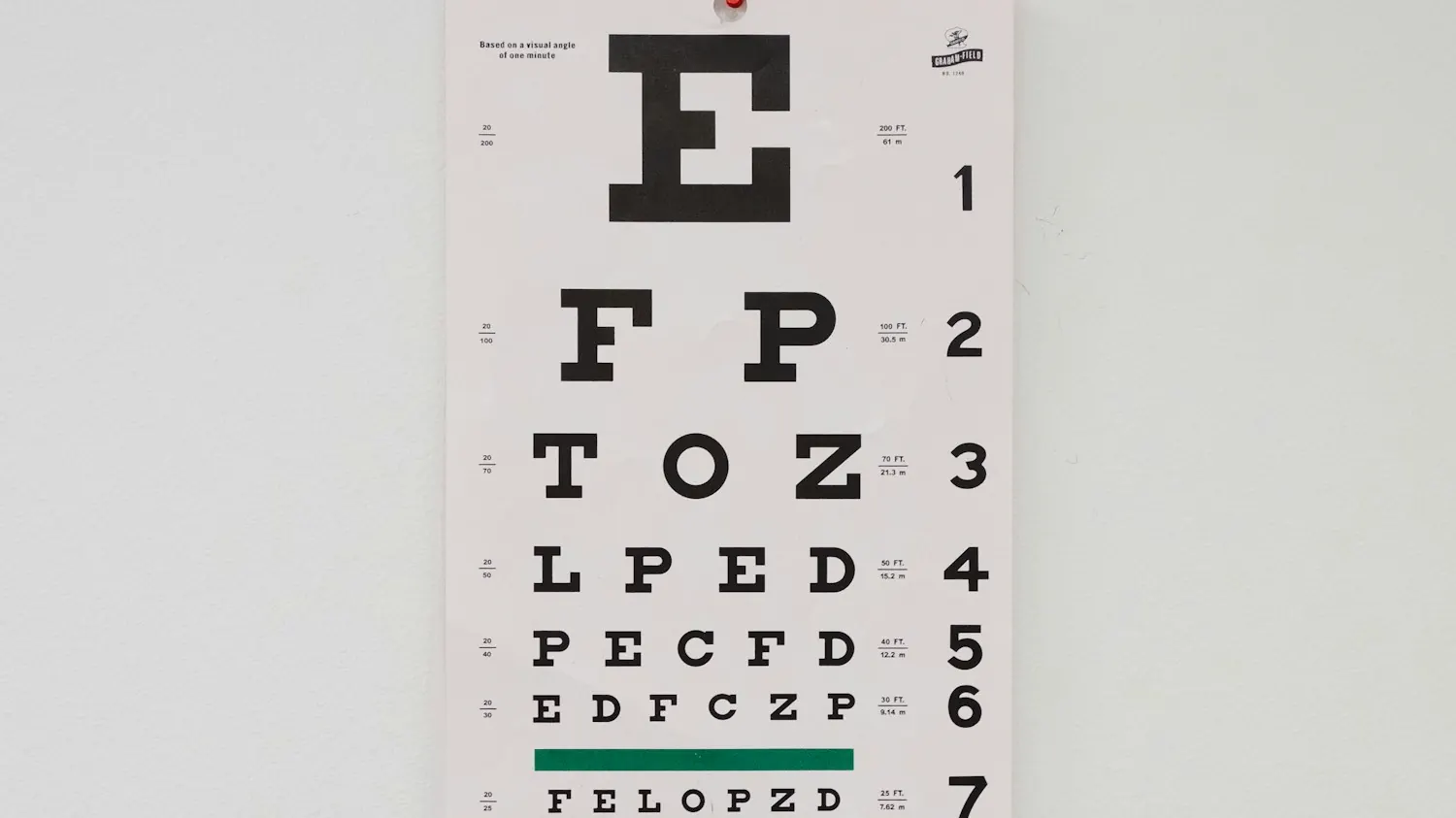
Vision
Your eyesight is tested, with glasses or contact lenses if you normally wear them to drive. Both distance vision and your field of vision matter, because professional driving depends on seeing what is beside you as well as ahead.
If you need correction to meet the standard, that is recorded on the certificate. It does not stop you driving; it means you must drive wearing it.
Hearing
Hearing is checked because you need to be aware of sirens, horns and the vehicle itself. As with vision, if you use a hearing aid, it is assessed with the aid in place.
Blood pressure and general health
Blood pressure is measured, and your general physical condition is assessed. High blood pressure is the single most common reason a driver is surprised at a medical, and it is usually the most treatable.
If your reading is high on the day, that is not automatically the end of it. It may mean a recheck, or it may mean treatment and a follow-up. Either way it is worth knowing, because it matters a great deal more to your life than to your permit.
Chronic conditions and medication
You will be asked about conditions that can affect driving safely, including diabetes, epilepsy, heart conditions and anything causing blackouts or loss of consciousness, and about medication that causes drowsiness.
Declaring a condition is not the same as failing. Most well-controlled conditions are compatible with professional driving. Concealing one is the real risk, both to the certificate and to you.
The certificate
Where you meet the criteria, the doctor completes and signs the certificate, which you then submit with the rest of your application at the Driving Licence Testing Centre.
Check before you leave that every section is completed and that the practitioner's details and signature are there. An incomplete form is the most common reason a driver has to come back and do this twice.
If you do not meet a criterion
The doctor will tell you which standard was not met and what would need to change. Sometimes that is straightforward, like getting the right glasses or bringing blood pressure under control. Sometimes it is not.
A certificate cannot be issued where the standard is not met. That is not an administrative obstacle - the standards exist because a professional driver carries other people's safety as well as their own.
What to bring
- Your identity document
- Your current driving licence
- Glasses or contact lenses, if you use them
- Hearing aids, if you use them
- A list of medication you take regularly
- Details of any chronic condition and who treats you for it
Arranging it
Send a WhatsApp message with your area and we will confirm a time and a place. Where mobile doctor services cover your location, the assessment can be arranged where you are.
Application steps, fees and how recent a certificate must be are set by the licensing authorities and can change. Confirm the current requirements with your Driving Licence Testing Centre.
Questions
Common questions
How long does a PDP medical take?
The examination itself is usually short. Most of the time is paperwork, so arriving with your documents ready is the quickest way through it.
Do I need to fast beforehand?
No. A driver medical is not a fasting test.
Is blood taken?
Not routinely. If the doctor considers testing necessary based on what the assessment finds, that is discussed with you.
What if my blood pressure is high on the day?
The doctor will decide whether to recheck it, treat it, or ask you to return. A single high reading is not necessarily representative.
Can I be refused?
A certificate is only issued where the criteria are met. If they are not, the doctor explains which one and what could change it.
Related
More on driver medicals
PDP Medical Pretoria
The medical assessment you need before a Driving Licence Testing Centre will process your Professional Driving Permit.
Read moreCode 10 & Code 14 Medicals
Your licence code and your Professional Driving Permit are two different things. The confusion between them costs drivers a lot of wasted trips.
Read moreDriver & PDP Medicals
The medical assessment required for a Professional Driving Permit.
Read moreOnline Doctor Consultation
Speak to a doctor without travelling to a waiting room. Consultations happen remotely, wherever you are in South Africa.
Read moreMobile Doctor
For when an assessment needs to happen in person, but getting to a practice is the problem.
Read moreArrange a driver medical
Send a WhatsApp message with your area and we will confirm a time and a place.